He hailed from Ikoneto in the Odukpani Local Government Area of Cross River State (Calabar). Though he was not the administrative head of the station, his voice was so ubiquitous that it was widely said “Radio Biafra was on his head”. He spoke both flawless Queen’s English and fluent, eloquent Igbo.
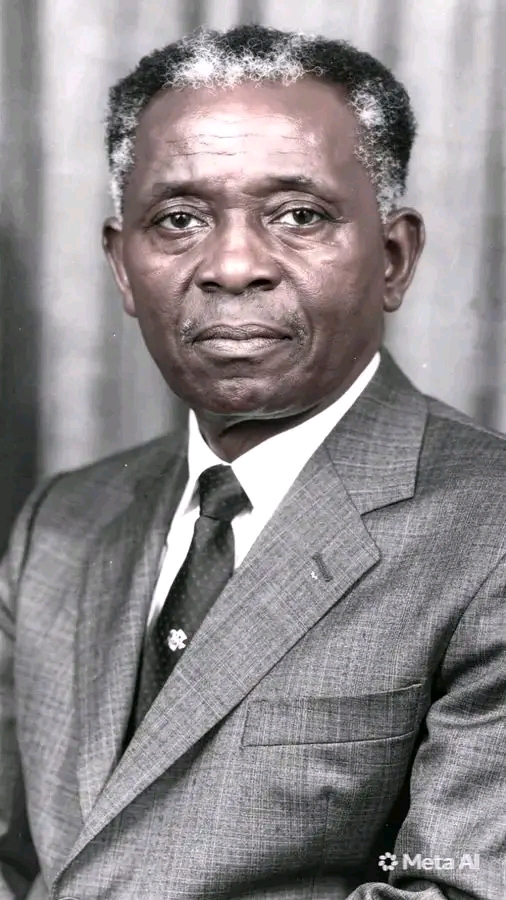
He was nicknamed “Lord Haw Haw” by General Yakubu Gowon’s federal administration. Ndem used masterclass propaganda and psychological tactics to boost the morale of Biafran soldiers and civilians while intentionally disorienting federal troops.
Even after the Biafran capital of Enugu fell to Nigerian troops, Ndem famously continued to broadcast, saying, “This is Radio Biafra broadcasting from Enugu…”. This completely baffled federal forces, who did not realize his transmission setup had been cleverly hidden in the back of a mobile Land Rover Jeep.
He popularized the iconic wartime warning jingle: “Onye ndi iro gbara gburugburu, na eche ndu ya nche mgbe nile”. Translated from Igbo, it means: “He who is surrounded by enemies must be alert to guard his life at all times” (or “The price of liberty is eternal vigilance”), urging people to remain highly vigilant.
Due to the immense power of his broadcast messages on the global and local airwaves, the Nigerian federal government reportedly viewed him as the second most wanted man in Biafra, right behind the Biafran leader, General Chukwuemeka Odumegwu Ojukwu.
His highly effective media strategy is cited by historians as a primary reason the federal government declared a policy of “No Victor, No Vanquished” at the war’s end to encourage swift national reconciliation.
Okokon Ndem passed away in August 2003. He was buried in Calabar on September 29, 2003, which coincided with the annual Igbo Day festival. His funeral was attended by major dignitaries, including his former commander-in-chief, General Emeka Ojukwu, cementing his status as a shared hero across regional lines
Raymond Eyo Honesty