The 76-year-old had held the largely ceremonial office since being elected by Parliament in 2023. However, his name has remained closely associated with former Prime Minister Sheikh Hasina, who was ousted from power during a popular uprising in 2024. Regarded as one of Hasina’s loyal allies, Shahabuddin saw his position steadily weaken as Bangladesh’s new authorities increasingly distanced themselves from him.
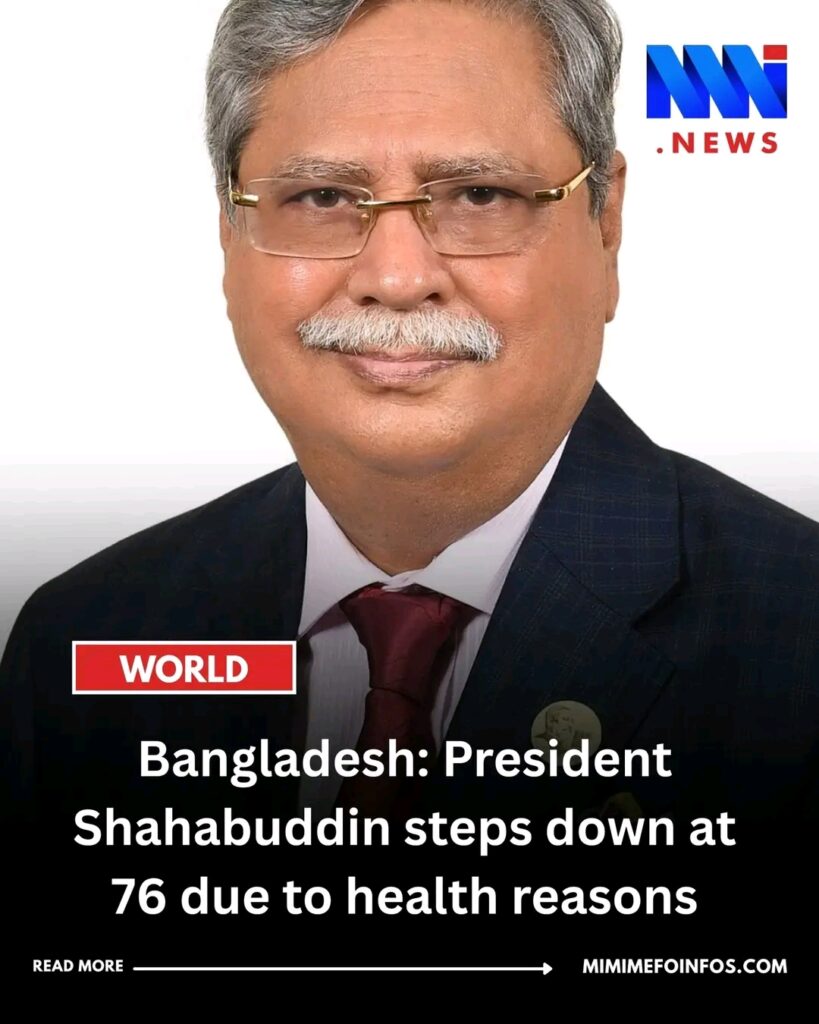
His resignation comes at a sensitive moment for Dhaka, as Sheikh Hasina recently announced her intention to return to Bangladesh to face justice following her conviction by a tribunal. With Shahabuddin’s departure, the former prime minister loses what was widely seen as her last remaining ally at the highest level of the state.
For Africa, and particularly for Cameroon, this development serves as a reminder that institutional stability can remain fragile even in democracies shaped by popular uprisings, and that yesterday’s political alliances can quickly become liabilities for those who once relied on them.