By Honourable Comrade Abdulhakeem Adegoke Alawuje
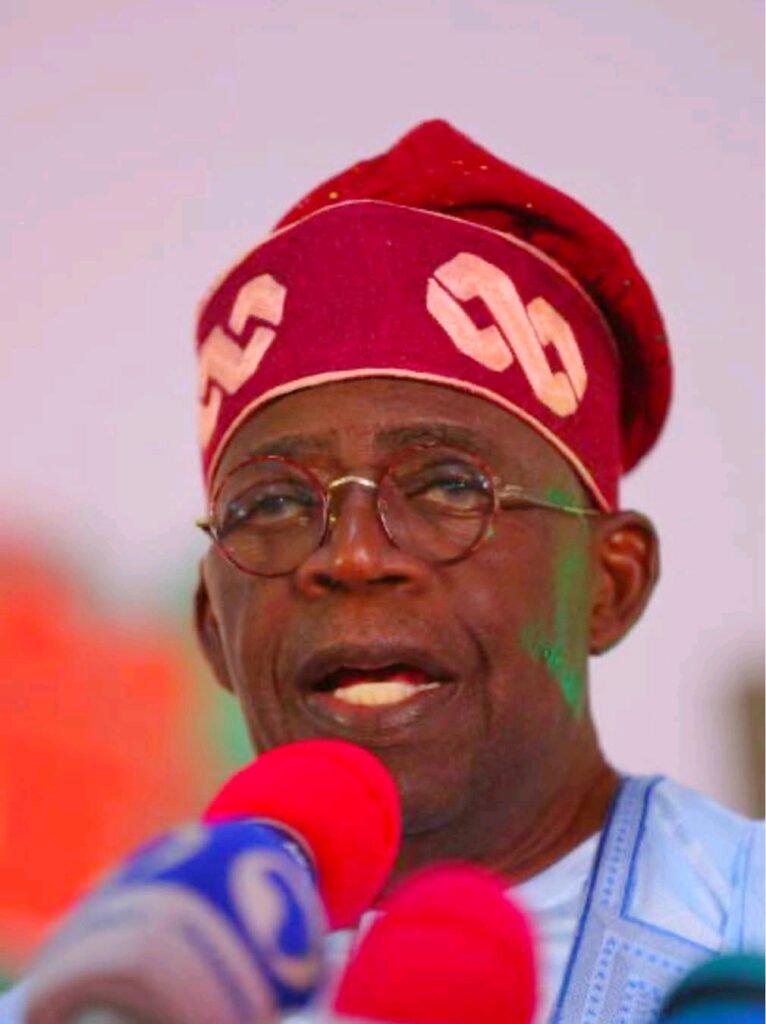
As Nigerians, we should put sentiments aside and objectively assess the reforms being introduced by President Bola Ahmed Tinubu. Many of these initiatives are aimed at addressing long-standing structural challenges and laying the foundation for sustainable national development.
Some of the key reforms and initiatives include:
✅ State policing (under discussion as part of constitutional reforms).
✅ Regional Development Commissions.
✅ Local Government autonomy.
✅ The establishment of the Ministry of Livestock Development, which has the potential to improve agriculture, food security, and address farmer-herder conflicts if effectively implemented.
✅ Constitutional changes that allow states to generate, transmit, and distribute electricity independently.
These are significant policy directions that, if fully implemented, could strengthen governance, improve economic opportunities, and promote development across the country.
One of Nigeria’s recurring leadership challenges has been policy discontinuity. Successive administrations have often abandoned the projects and reforms of their predecessors, choosing instead to begin new initiatives. As a result, many potentially beneficial policies were never fully implemented or allowed to mature.
Supporters of President Tinubu argue that his administration is pursuing long-term structural reforms that require time to produce measurable results. They believe that giving these initiatives adequate time to take root will increase the likelihood of lasting benefits for future generations.
Development is ultimately the responsibility of every region and every level of government. As reforms continue, citizens will be in a better position to evaluate the performance of their elected leaders, state governments, and traditional institutions based on tangible outcomes rather than political rhetoric.
Whether one supports or opposes the current administration, Nigeria’s progress depends on consistent implementation of sound policies, constructive criticism, accountability, and cooperation where necessary. If reforms that benefit the nation are sustained and improved upon rather than abandoned, the country stands a better chance of achieving lasting development.
“The true test of leadership is not how reforms begin, but how faithfully they are implemented and sustained for the benefit of generations to come.”
— Honourable Comrade Abdulhakeem Adegoke Alawuje